The reported AIO-TLP287 material has attracted attention because it is described as an aggregation of information associated with previous security incidents. Rather than treating an unverified leak package as a definitive inventory, it is important to distinguish confirmed facts from claims circulated through forums and other online channels. The available competitor article describes AIO-TLP287 as an “All-in-One” collection and connects it with thejavasea.me.
For readers searching for thejavasea.me Leaks AIO-TLP287, the most useful approach is to focus on what a large compilation of exposed information can mean for privacy, account security, businesses, and cybersecurity. The safest response is not to seek or redistribute leaked material, but to understand the risks and strengthen defensive controls.
What is AIO-TLP287?
AIO-TLP287 is presented online as an AIO leak package associated with thejavasea.me. The available reporting describes the package as containing different categories of allegedly compromised information, rather than representing one clearly documented database from one organization.
When discussing thejavasea.me Leaks AIO-TLP287, it is important to remember that claims about leaked databases can be difficult to verify independently. An aggregation may contain old material, duplicated records, incomplete records, or information originating from previous data breaches.
The reported contents may include usernames, passwords, email addresses, phone numbers, corporate material, and other sensitive information. Such material can create cybersecurity concerns because attackers may combine records from different sources to build more useful profiles of potential victims.
An AIO leak package can therefore be more significant than a single exposed record. Aggregated data can provide context that makes phishing, credential attacks, impersonation, and account compromise easier.
The Origins of thejavasea.me Leaks AIO-TLP287
The origins of thejavasea.me Leaks AIO-TLP287 are not established with enough reliable public evidence to treat every online claim as fact. The competitor source says that the package circulated through underground forums, dark web marketplaces, social media, and specialized forums.
This distinction matters because leaked data frequently moves between multiple communities. A database dump can be copied, renamed, combined with previous data breaches, and redistributed without the original source being preserved.
A reported breach compilation may therefore contain material from several unrelated security incidents. Someone examining a package could mistakenly assume that every record came from one event when the underlying information actually originated from multiple previous breaches.
For cybersecurity professionals, provenance is particularly important. Security teams should validate suspected leaked credentials through legitimate monitoring and internal evidence rather than downloading suspicious files or interacting with criminal infrastructure.
Read More: Alexandria Hoff (FOX) Wiki, Age, Husband, Salary, Net Worth, Height
Why Is thejavasea.me Leaks AIO-TLP287 a Hot Topic?
The discussion around thejavasea.me Leaks AIO-TLP287 is largely driven by the potential consequences of aggregated leaked information. A compilation containing personal information or corporate data can create risks even when some records are old.
1. The Breach of Privacy
A privacy breach can expose information that people reasonably expect to remain private. Email addresses, phone numbers, usernames, passwords, and other personally identifiable information (PII) can be used to create more convincing fraudulent communications.
Personal data exposure can also increase the likelihood of further privacy violations. A criminal may combine a person’s email address with information obtained from another data breach to make a phishing message appear authentic.
The most important concern is not simply whether a particular record appears in a leak package. It is whether exposed information remains usable and whether the affected account or service still relies on the exposed credential.
2. The Potential for Identity Theft
Identity theft becomes more plausible when multiple pieces of personal information are exposed together. Criminals may use names, addresses, email addresses, account credentials, or other sensitive records to impersonate a victim.
Identity fraud can affect both individuals and organizations. Attackers may attempt account takeover, fraudulent transactions, social engineering, or unauthorized password resets.
People should therefore treat unexpected login notifications, password-reset messages, unfamiliar transactions, and unusual account activity as warning signs.
3. The Growing Cybersecurity Threat
A major data leak can expand the attack surface available to threat actors. Stolen credentials may be tested against other online accounts, while corporate information may be used to target employees.
Credential stuffing is particularly concerning when people reuse passwords. A password exposed in one breach can become useful against several unrelated services if the same password was reused elsewhere.
Cybersecurity teams can reduce this risk through MFA, access control, monitoring, endpoint protection, network security, and regular vulnerability assessment.
4. The Ethical Debate
There is an important ethical distinction between studying cybersecurity incidents and distributing stolen data. Security researchers may analyze incidents to understand defensive weaknesses, while redistributing personal information can cause additional harm.
The same principle applies to alleged AIO leak packages. Responsible analysis should minimize exposure to private information and avoid facilitating unauthorized access.
Organizations can still learn valuable lessons from a security incident without obtaining or circulating the underlying stolen data.
What Does AIO-TLP287 Contain?
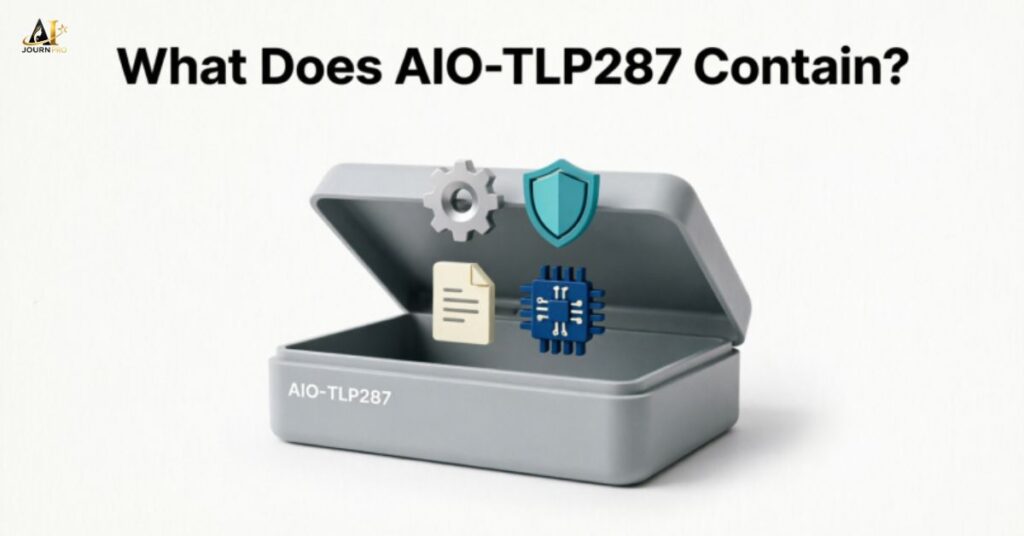
The precise contents of AIO-TLP287 cannot be treated as independently verified simply because a list or description appears online. Reports associated with the package describe several broad categories, including credentials, corporate information, financial information, and hacking-related material.
Password Lists
Password lists are among the most security-sensitive forms of leaked data. They can contain usernames, passwords, hashes, or combinations of login information gathered from previous incidents.
Compromised credentials become especially dangerous when users practice password reuse. Unique passwords reduce the possibility that one exposed credential will unlock multiple online accounts.
Corporate Data
Corporate data can include internal communications, documents, database records, proprietary information, or employee information. Exposure can create operational risk as well as reputational damage.
Businesses should classify confidential information, limit unnecessary access, encrypt sensitive records, and maintain detailed security monitoring.
Malware and Hacking Tools
The competitor article also describes hacking tools and malware-related material. However, the presence of such claims should not be interpreted as evidence that every tool is functional, authentic, or connected to the same incident.
From a defensive perspective, organizations should maintain antivirus software, endpoint protection, firewalls, network security controls, and timely patching.
Financial Information
Financial information can be particularly sensitive because exposure may lead to financial fraud. Examples could include payment information or information that helps an attacker impersonate an account holder.
People who suspect financial information has been exposed should review financial records and contact their financial institution through official channels rather than responding to unsolicited messages.
Email Addresses and Phone Numbers
Email addresses and phone numbers can become valuable targeting information. Attackers can use them for phishing, smishing, impersonation, or social engineering.
An exposed contact detail does not automatically mean an account has been compromised. It does, however, justify greater caution toward unexpected requests for passwords, authentication codes, payments, or personal information.
Database Records
Database records may contain many different fields, and their value depends on what information is included and whether it remains current.
Security teams should avoid assuming that a reported database dump is complete. Validation, monitoring, and incident response should be based on reliable evidence.
Stolen Credentials
Stolen credentials are particularly dangerous when they remain active. Organizations should revoke exposed login credentials, require password changes where appropriate, invalidate active sessions, and review authentication logs.
Private Data and Sensitive Records
Private data and sensitive records deserve additional safeguards because exposure can create privacy, legal, and reputational consequences.
Data minimization is therefore an important security practice: organizations should retain only information they legitimately need and protect it according to its sensitivity.
The Impact of AIO-TLP287 on Individuals and Organizations
The possible effects of thejavasea.me Leaks AIO-TLP287 vary considerably depending on what information is authentic, current, and associated with a particular victim. A username alone presents a different risk from a valid password combined with recovery information.
For Individuals
Individuals can face phishing, identity theft, financial loss, account takeover, and personal data exposure following a credential-related security incident.
A victim may receive messages that reference genuine information, making a fraudulent communication appear trustworthy. This is why phishing awareness is an important part of online safety.
People should also avoid using the same password across services. A password manager can generate and store unique passwords, while MFA provides an additional barrier when credentials are exposed.
For Organizations
Businesses face a broader range of risks because corporate systems often contain customer information, employee information, financial records, intellectual property, and confidential information.
A significant incident can create business disruption, reputational risk, legal risk, and compliance risk. Depending on jurisdiction and circumstances, regulatory penalties and breach notification obligations may also apply.
Corporate security should therefore combine technical controls with security awareness, incident management, access control, and regular security audits.
Account Takeover
Account takeover can occur when attackers obtain valid login credentials or manipulate account-recovery processes. Reused passwords increase the risk because credentials exposed elsewhere may work on another service.
Organizations should use authentication systems that support MFA, monitor unusual authentication behavior, and restrict administrative privileges.
Phishing and Social Engineering
Phishing attacks frequently rely on information that makes a message appear legitimate. Social engineering can exploit knowledge of a person’s employer, contacts, purchases, or online activity.
Users should independently verify unusual requests instead of clicking links supplied in unexpected messages.
Financial and Business Risk
Financial risk may include fraudulent payments, unauthorized transactions, or expensive incident response. Businesses can additionally face operational risk when employees, systems, or vendors are affected.
A strong incident response plan helps reduce damage by establishing responsibilities before a security incident occurs.
How to Protect Yourself from Leaks Like AIO-TLP287
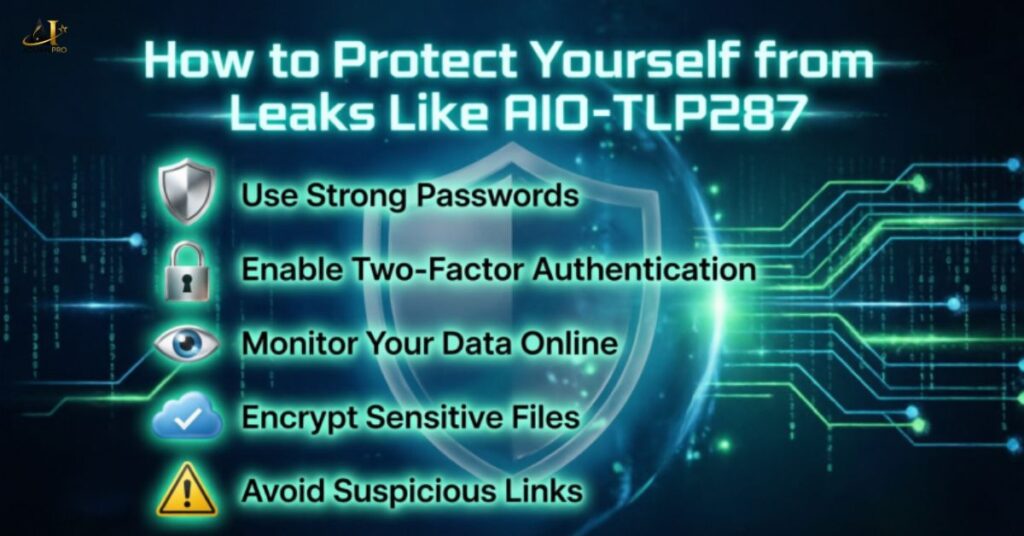
The safest response to thejavasea.me Leaks AIO-TLP287 is defensive action rather than attempting to locate, download, or redistribute leaked material.
1. Use Strong Passwords
Use strong passwords that are unique to individual accounts. A password manager makes it easier to maintain unique passwords without relying on memory.
Avoid predictable personal details, repeated patterns, or passwords previously used on other services.
2. Enable Two-Factor Authentication
Two-factor authentication (2FA) adds another authentication factor beyond a password. Where available, MFA can significantly strengthen account security.
Authenticator applications or hardware security keys can provide stronger protection than password-only authentication.
3. Monitor Your Accounts Regularly
Account monitoring can help identify suspicious activity early. Review login alerts, password-reset notifications, financial records, and security settings.
If an account shows unfamiliar activity, change the password from a trusted device and review active sessions and recovery methods.
4. Use a Password Manager
A password manager helps create unique passwords and reduces password reuse. This is particularly valuable when a person’s credentials may have appeared in a previous data breach.
The password manager itself should be protected with a strong master credential and MFA where available.
5. Be Wary of Phishing Attempts
Do not trust an unexpected message merely because it contains accurate personal information. Leaked information can make phishing campaigns more convincing.
Verify requests through an independently obtained website, application, phone number, or other trusted channel.
6. Review Recovery Information
Check recovery email addresses, telephone numbers, backup codes, and trusted devices. Attackers who gain access to recovery methods may attempt to retain control even after a password is changed.
Remove unfamiliar recovery options immediately.
7. Sign Out of Unknown Sessions
Many online services provide a list of active sessions or connected devices. Review this list and terminate sessions you do not recognize.
This can be particularly useful after changing a password because an attacker may still have an existing session.
8. Protect Your Email Account
Email accounts are especially important because they are often used for password resets. Protect the primary email account with a unique password and strong MFA.
An attacker controlling an email account may be able to reset passwords for numerous other services.
9. Secure Financial Accounts
Monitor bank and payment accounts for unusual transactions. Enable transaction notifications where offered and contact the financial institution through an official channel if suspicious activity appears.
Never provide authentication codes to someone who contacts you unexpectedly.
10. Keep Devices Updated
Security patches address vulnerabilities in operating systems, browsers, applications, routers, and other technology. Automatic updates can reduce the chance that known weaknesses remain exploitable.
11. Use Endpoint Protection
Antivirus software and endpoint protection can help detect malicious files and suspicious activity. These controls work best alongside patch management, access control, and security awareness.
12. Secure Your Home Network
Use strong router credentials, current firmware, modern wireless encryption, and appropriate network settings. Disable unnecessary remote administration.
13. Reduce Public Exposure
Avoid publishing unnecessary personal information on social media accounts and public profiles. Information that appears harmless individually can become more useful when combined with other leaked information.
14. Watch for Credential Reuse
If the same password has been used across multiple websites, replace it with unique passwords. Start with email, banking, password-management, and other high-value accounts.
15. Prepare an Incident Response Plan
Individuals and organizations benefit from knowing what they will do after a suspected security incident. A simple plan can identify who to contact, which accounts to secure, and which evidence to preserve.
16. Use Encryption
Encryption helps protect information when it is stored or transmitted. Organizations should apply appropriate encryption technology to sensitive systems and data.
17. Maintain Security Awareness
Security awareness training can help employees recognize phishing, malicious attachments, suspicious login prompts, and social engineering.
18. Conduct a Vulnerability Assessment
Organizations should periodically evaluate systems for security vulnerabilities. A vulnerability assessment can identify outdated software, excessive permissions, weak configurations, and exposed services.
19. Monitor for Breach Indicators
Breach monitoring can alert organizations to exposed credentials or suspicious references to their domains. Monitoring should use legitimate security services rather than direct interaction with criminal marketplaces.
20. Have an Incident Response Process
Incident response should cover identification, containment, eradication, recovery, communication, and lessons learned. Clear procedures can reduce confusion during a security incident.
Alternatives to AIO-TLP287
There is no legitimate reason to use an illicit leak package as a cybersecurity tool. Organizations can obtain valuable defensive intelligence through lawful security services and professional testing.
Cybersecurity Software
Reputable cybersecurity software can provide antivirus, endpoint protection, firewall capabilities, security monitoring, and other defensive controls.
Encryption
Encryption can help protect sensitive information from unauthorized disclosure. Organizations should identify which data requires encryption and manage encryption keys securely.
Professional Cybersecurity Consultation
Cybersecurity consulting can help businesses evaluate their attack surface, review security controls, perform vulnerability assessments, and improve incident response.
Security Audits
A security audit can examine whether security policies and technical controls operate as intended. Audits can also support regulatory compliance and broader information security objectives.
Access Control
Access control limits systems and information to people who genuinely need them. Least-privilege access can reduce the potential impact of compromised accounts.
Network Security
Network security combines technologies and policies designed to protect systems and communications. Firewalls, segmentation, monitoring, and secure configurations can reduce exposure.
Security Monitoring
Continuous security monitoring can identify unusual authentication activity, suspicious network behavior, malware indicators, and potential data exfiltration.
Phishing Awareness
Regular phishing awareness exercises can help employees recognize fraudulent messages before they disclose passwords or other sensitive information.
Frequently Asked Questions
What Is the AIO-TLP287 leak and how is it connected to thejavasea.me?
AIO-TLP287 is described online as an AIO leak package associated with thejavasea.me. Public descriptions characterize it as an aggregation containing different categories of allegedly leaked information rather than a clearly verified single-source breach.
What types of personal and corporate information are reportedly included in AIO-TLP287?
The exact contents should not be assumed to be complete or authentic without reliable verification. Individuals and businesses should instead assess whether their own accounts or systems show evidence of compromise.
What cybersecurity risks can result from exposure to leaked passwords and personal information?
Exposed credentials can contribute to credential stuffing, phishing, account takeover, impersonation, identity theft, and unauthorized access. Personal information can also help attackers construct convincing social-engineering attempts.
How can users protect their online accounts after their credentials appear in a data breach?
Users should change affected passwords, avoid reusing them elsewhere, enable 2FA or MFA, review active sessions, verify recovery information, and monitor accounts for suspicious activity.
What security measures can businesses use to prevent data leaks, phishing, and unauthorized access?
Businesses should combine MFA, strong authentication, least-privilege access, encryption, endpoint protection, network security, security monitoring, vulnerability assessment, employee security awareness, and tested incident response procedures.
Conclusion
The reported thejavasea.me Leaks AIO-TLP287 discussion illustrates why aggregated leaked information deserves careful cybersecurity analysis. The greatest practical concern is not the leak package itself, but how exposed credentials, personal information, and corporate data could be misused.
The strongest response is defensive: use unique passwords, MFA, encryption, monitoring, secure access controls, phishing awareness, and a tested incident response process. Avoiding illicit distribution of leaked information protects both potential victims and the wider security community.